

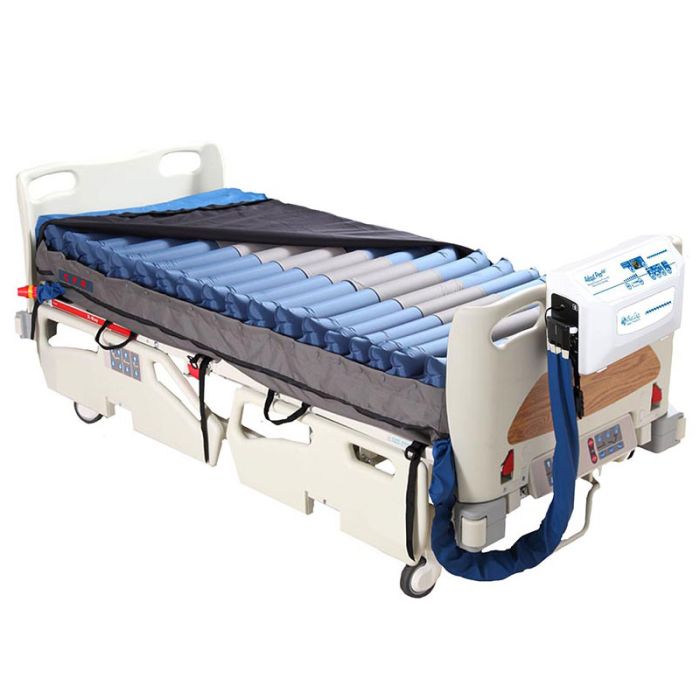
If you’re setting up a hospital bed at home in Ottawa, whether for a parent recovering from surgery, a spouse managing a chronic condition, or your own care needs, the mattress you choose matters just as much as the bed frame itself. A standard mattress won’t fit or perform safely on a hospital bed, and the wrong medical mattress can lead to discomfort, poor sleep, or even pressure sores.
This guide walks you through exactly what to look for before you buy, so you can make a confident, informed decision for yourself or the person you’re caring for.
Hospital beds are built to articulate, the head, foot, and sometimes the entire frame adjust to different positions for comfort, circulation, and pressure relief. A standard home mattress is too rigid and too thick to bend with the frame, and it isn’t designed to distribute weight in a way that protects vulnerable skin.
A proper medical mattress is engineered to:
If the person using the bed has limited mobility, spends extended hours lying down, or has any risk of developing bedsores (pressure ulcers), pressure-relief capability should be your top priority. Mattresses in this category redistribute weight away from high-risk pressure points and are especially important for post-surgical recovery, long-term bedridden care, or anyone with reduced sensation or circulation.
Mattress Type | Best For | Pros | Considerations |
|---|---|---|---|
| High-density foam | General comfort, moderate mobility needs | Quiet, no power needed, low maintenance | Less pressure redistribution than air systems for high-risk patients |
| Air/alternating pressure | High-risk pressure ulcer prevention, limited mobility | Actively cycles pressure points, adjustable firmness | Requires a pump/power source; slightly more upkeep |
| Gel or hybrid foam | Balanced comfort and support | Combines cooling and contouring benefits | Typically a mid-range price point |
| Low air-loss systems | Advanced wound care, long-term bedridden patients | Superior pressure management, helps manage moisture | Higher cost, best suited for clinical-level needs |
For a closer look at specific models and brands within each category, see our guide to the best hospital bed mattresses for seniors and home recovery in Canada.
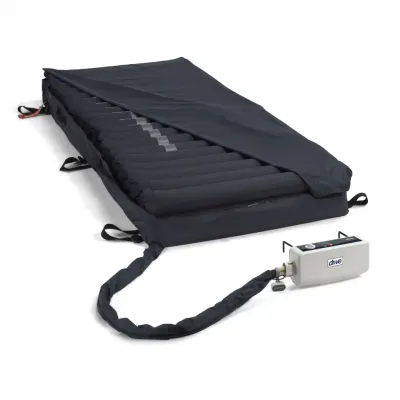
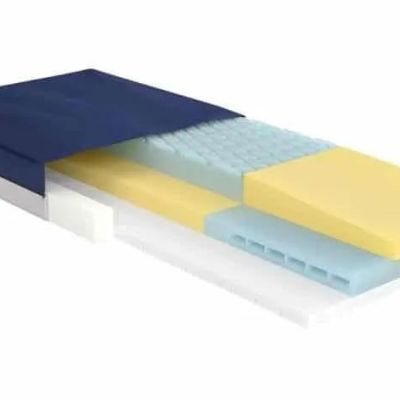
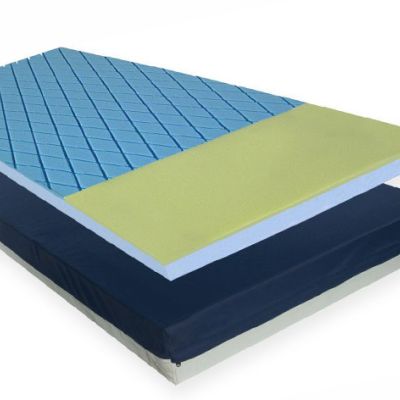
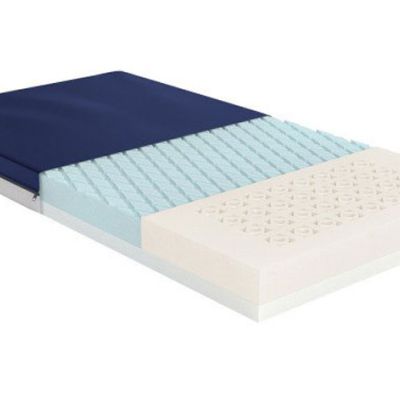
Medical mattresses range widely in price depending on the technology involved. Basic foam options are the most budget-friendly, while air and low air-loss systems cost more but may be necessary for higher-risk situations. If cost is a concern, ask about rental options or whether your situation qualifies for funding support before committing to a purchase. Not sure which route makes more financial sense for your situation? Our guide on rent vs. purchase for your medical needs breaks down the pros and cons of each.
Consider a family in Ottawa bringing a parent home after hip surgery. The parent has limited mobility for several weeks and will spend most of the day and night in bed. In this situation, a basic foam mattress likely isn’t enough, an alternating-pressure or hybrid mattress paired with an adjustable hospital bed gives the parent both comfort and active pressure relief, reducing the risk of skin breakdown during the recovery period. As mobility improves, the family can reassess whether a lower-maintenance foam option is sufficient going forward.
This is exactly the kind of decision our team helps Ottawa families work through every week, matching the mattress to the actual care situation, not just the bed frame.
At Core Medical Equipment, we carry a full range of hospital beds and medical mattresses, sourced from top-rated Canadian manufacturers for durability and comfort. Our Ottawa-based team can walk you through pressure-relief options, confirm the right size and weight capacity for your specific hospital bed, and recommend a solution suited to your care needs, whether that’s a short-term recovery setup or long-term home care.
We also offer rental options for families who need a solution quickly or aren’t ready to commit to a purchase, along with delivery, setup, and ongoing support services across Ottawa and the surrounding area.
Yes. Hospital bed mattresses are built to flex with the bed’s adjustable sections and to fit its specific dimensions; a standard mattress won’t move safely with the frame or provide the support needed for extended bed rest.
Absolutely. Our Ottawa team offers personalized consultations to match a mattress to the user’s mobility level, risk factors, and bed setup. Contact us to talk through your specific situation.